 e58ec4f649
The Feishu and Telegram IM adapters used to be standalone Bun processes
that the user had to launch manually with bun + .ts source on disk —
which meant they were effectively unreachable from the bundled desktop
app, since the user wouldn't have bun or the source tree.

This adds them as a third mode of the merged claude-sidecar binary:

  claude-sidecar adapters --app-root <path> [--feishu] [--telegram]

The launcher pre-checks credentials via the same `loadConfig()` the
adapters use internally, then conditionally `await import()`s each
enabled adapter whose creds are present. Adapters with missing creds
are warned and skipped, so a partially-configured user (e.g. only
Feishu set up, no Telegram bot token) still gets the working adapter
started cleanly instead of having Telegram's top-level
`process.exit(1)` kill the whole process.

Adapter source code is unchanged — the adapters still self-start at
top-level via Lark.WSClient.start() / grammy bot.start(). Their
SIGINT handlers also still register independently. The only thing
gating runtime is whether bun's static-import follows the dynamic
specifier into adapters/feishu/index.ts and adapters/telegram/index.ts,
which it does.

Bundle impact
=============

  metric          P0+P2 only   +adapters mode   delta
  claude-sidecar  66 MB        68 MB            +2 MB
  .app total      87 MB        88 MB            +1 MB
  .dmg            37 MB        37 MB            0 MB

Both adapter SDKs (@larksuiteoapi/node-sdk and grammy) statically
inline into the binary at a +2 MB cost, fully absorbed by DMG
compression. Compared to the alternative (a separate ~60 MB sidecar
binary per adapter, or even one combined ~60 MB adapter binary)
this is essentially free.

Verification
============

* `claude-sidecar server` regression test still passes (boots, /api/sessions
  → 200, CronScheduler runs)
* `claude-sidecar cli --version` returns 999.0.0-local
* `claude-sidecar adapters` (no flags) → exit 2 with usage error
* `claude-sidecar adapters --feishu --telegram` (no creds) → both warned and
  skipped, exit 1
* `claude-sidecar adapters --feishu` (FEISHU_APP_ID=cli_fake creds) →
  Feishu adapter boots, Lark client `client ready`, attempts API connect,
  fails with 400 from feishu API and gracefully retries (correct
  behavior — fake creds)
* `claude-sidecar adapters --telegram` (TELEGRAM_BOT_TOKEN=fake:token) →
  grammy bot.start() called, getMe API hits with 404, throws GrammyError
  (correct — fake creds)
* `bun test adapters/` → 299 pass / 0 fail
* `bun test src/` → 358 pass / 45 fail / 2 errors, identical to baseline

Scanner change
==============

desktop/scripts/scan-missing-imports.ts now also walks adapters/ in
addition to src/, so any future feature() gated stubs in the adapter
tree get auto-stubbed. As of this commit, adapters/ has 0 missing
imports — all clean.

Next step (UI integration, not done here)
==========================================

To actually wire this into the desktop UX, the Tauri main process needs:
- A "Configure IM adapters" settings page (App ID/Secret, bot token,
  allowed users) that writes ~/.claude/adapters.json
- A "Start/stop Feishu" / "Start/stop Telegram" toggle that spawns
  `claude-sidecar adapters --feishu` (or both) as a managed sidecar,
  monitors lifecycle, restarts on crash

The runtime infrastructure is now in place — that work is purely UI +
Rust spawn glue and can be done independently.

Co-Authored-By: Claude Opus 4.6 (1M context) <noreply@anthropic.com>
Claude Code Haha







A locally runnable version repaired from the leaked Claude Code source, with support for any Anthropic-compatible API endpoint such as MiniMax and OpenRouter.
The original leaked source does not run as-is. This repository fixes multiple blocking issues in the startup path so the full Ink TUI can work locally.
Features · Architecture · Quick Start · Env Vars · FAQ · Global Usage · More Docs
Features
- Full Ink TUI experience (matching the official Claude Code interface)
--printheadless mode for scripts and CI- MCP server, plugin, and Skills support
- Custom API endpoint and model support (Third-Party Models Guide)
- Memory System (cross-session persistent memory) — Usage Guide
- Multi-Agent System (agent orchestration, parallel tasks, Teams collaboration) — Usage Guide | Implementation
- Skills System (extensible capability plugins, custom workflows) — Usage Guide | Implementation
- Channel System (remote Agent control via Telegram/Feishu/Discord IM platforms) — Architecture
- Computer Use desktop control — Guide | Architecture
- Fallback Recovery CLI mode (
CLAUDE_CODE_FORCE_RECOVERY_CLI=1 ./bin/claude-haha)
Architecture Overview
 Overall architecture |
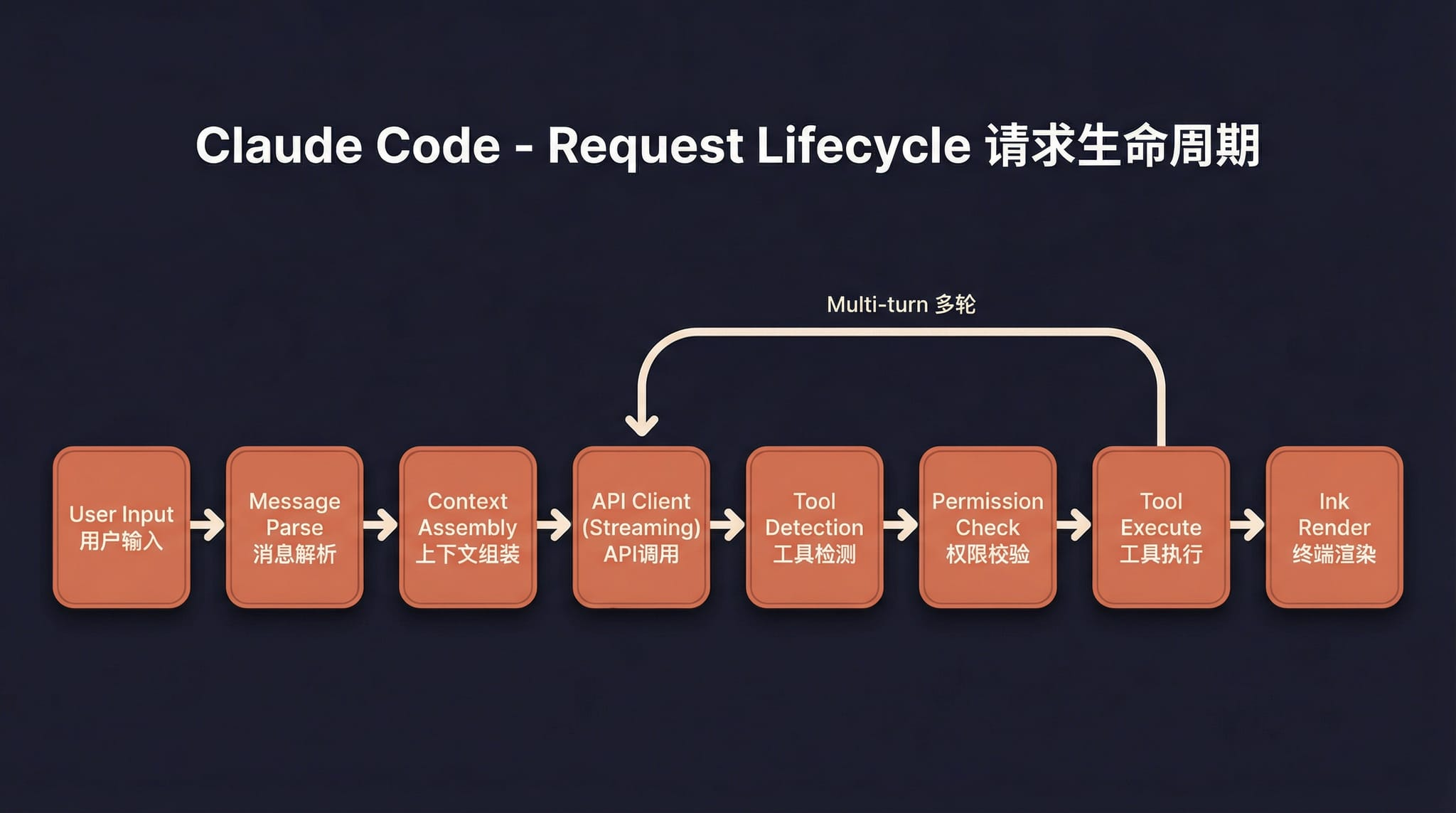 Request lifecycle |
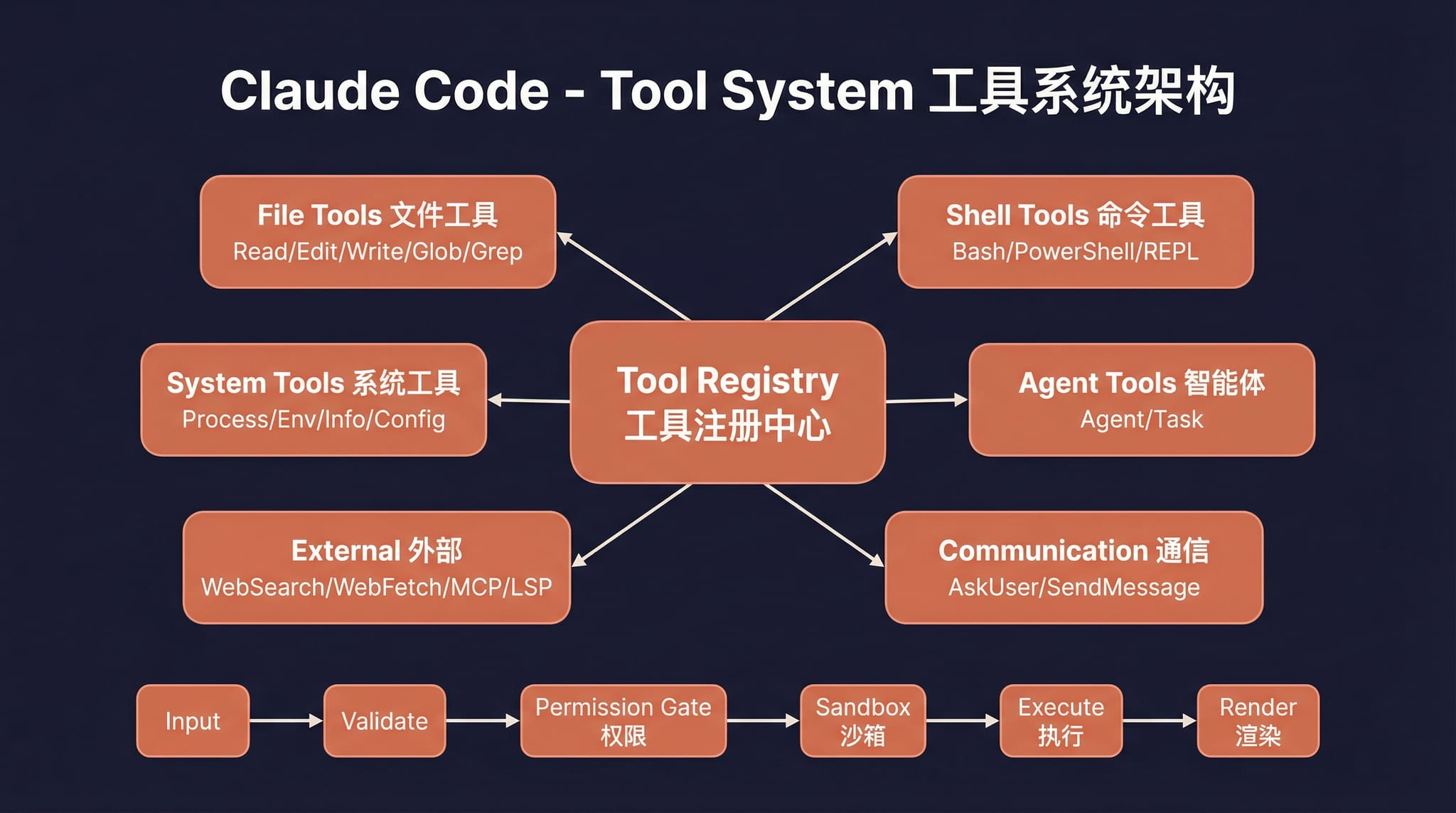 Tool system |
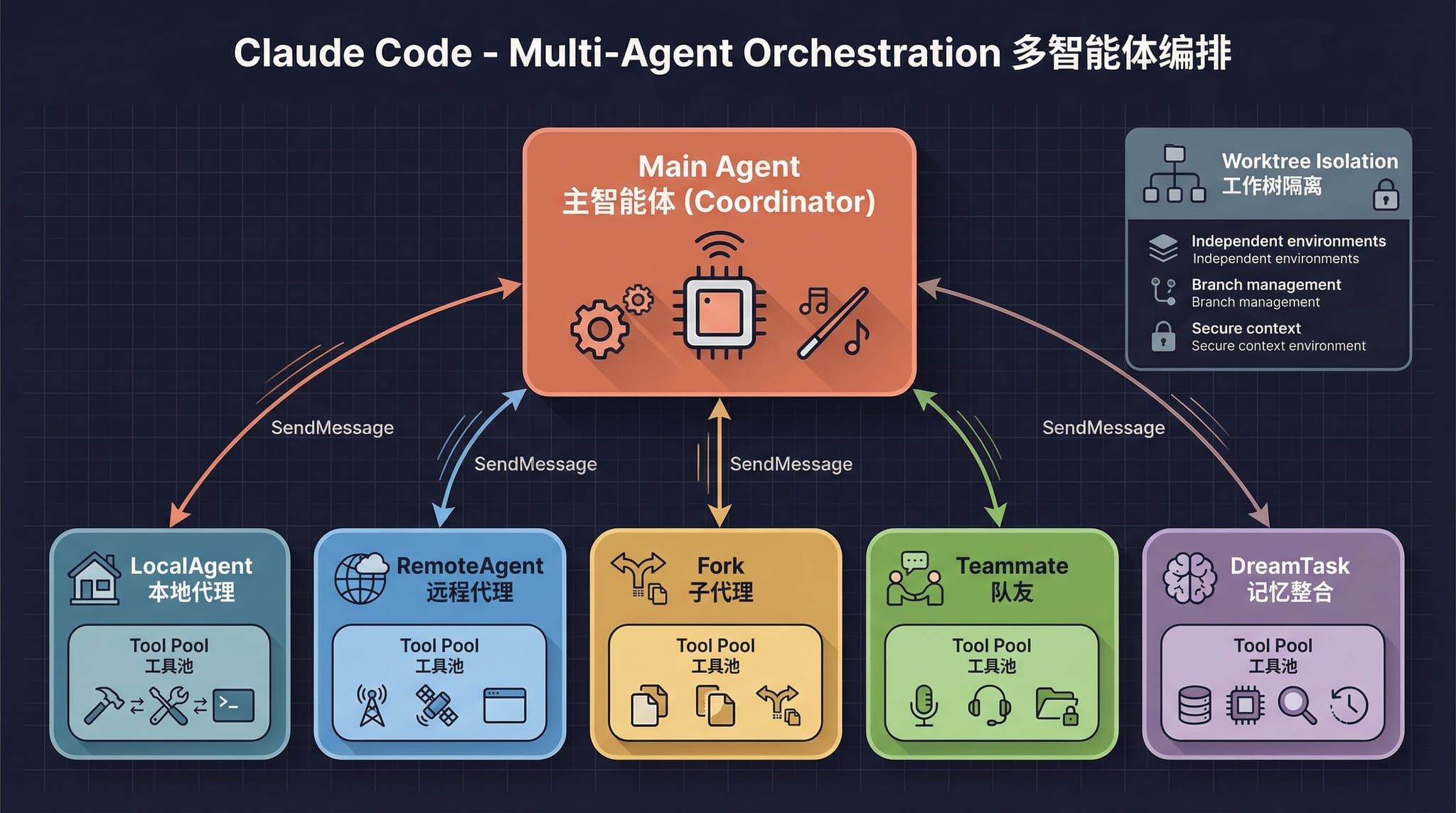 Multi-agent architecture |
 Terminal UI |
 Permissions and security |
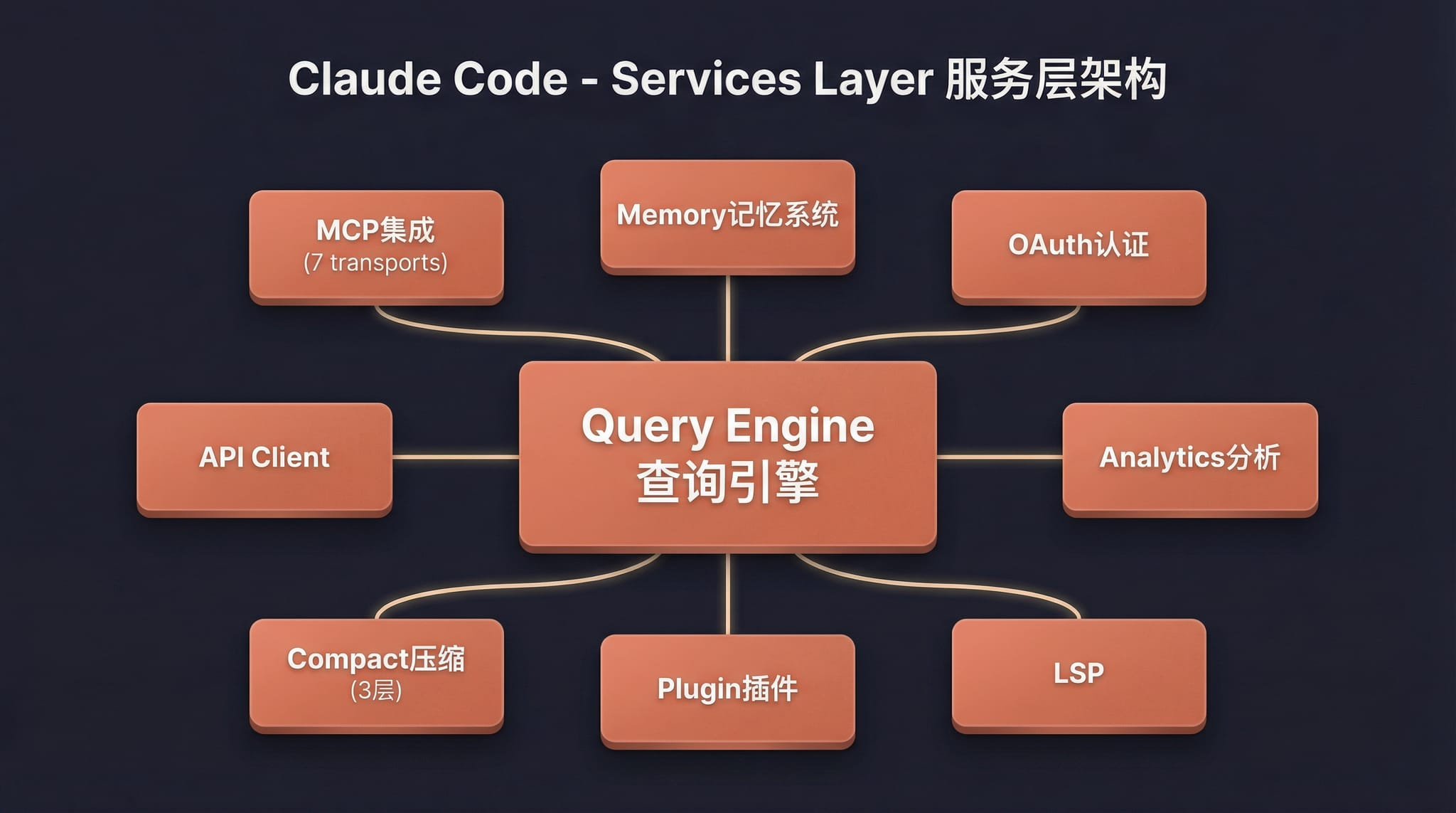 Services layer |
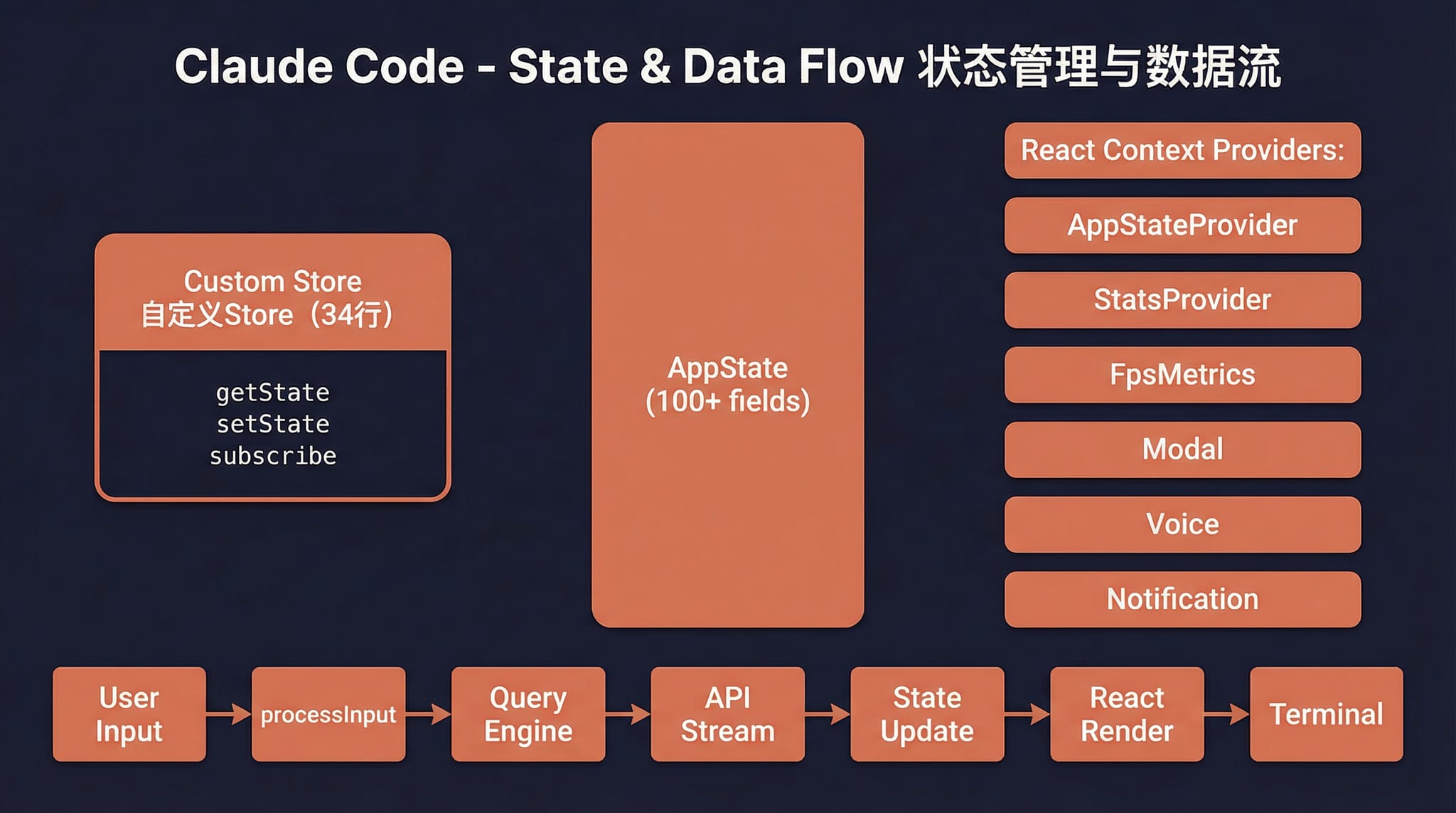 State and data flow |
Quick Start
1. Install Bun
# macOS / Linux
curl -fsSL https://bun.sh/install | bash

# macOS (Homebrew)
brew install bun

# Windows (PowerShell)
powershell -c "irm bun.sh/install.ps1 | iex"
On minimal Linux images, if you see
unzip is required, runapt update && apt install -y unzipfirst.
2. Install Dependencies and Configure
bun install
cp .env.example .env
# Edit .env with your API key — see docs/en/guide/env-vars.md for details
3. Start
macOS / Linux
./bin/claude-haha                          # Interactive TUI mode
./bin/claude-haha -p "your prompt here"    # Headless mode
./bin/claude-haha --help                   # Show all options
Windows
Prerequisite: Git for Windows must be installed.
# PowerShell / cmd — call Bun directly
bun --env-file=.env ./src/entrypoints/cli.tsx

# Or run inside Git Bash
./bin/claude-haha
4. Global Usage (Optional)
Add bin/ to your PATH to run from any directory. See Global Usage Guide:
export PATH="$HOME/path/to/claude-code-haha/bin:$PATH"
5. Desktop Development
If you are developing or testing the desktop/ frontend, start both the API server and the desktop frontend.
5.1 Start the API server
cd /Users/nanmi/workspace/myself_code/claude-code-haha
SERVER_PORT=3456 bun run src/server/index.ts
Optional health check:
curl http://127.0.0.1:3456/health
5.2 Start the desktop frontend
cd /Users/nanmi/workspace/myself_code/claude-code-haha/desktop
bun run dev --host 127.0.0.1 --port 2024
Then open:
http://127.0.0.1:2024
5.3 Notes
- If port
3456is already occupied by an old server process, runlsof -nP -iTCP:3456 -sTCP:LISTEN, find the PID, thenkill <PID>. - For chat testing, create a fresh session and re-select a real working directory.
- If an old session points to a deleted directory, the server will return
Working directory does not exist. That is separate from whether the API server is running.
Tech Stack
| Category | Technology |
|---|---|
| Runtime | Bun |
| Language | TypeScript |
| Terminal UI | React + Ink |
| CLI parsing | Commander.js |
| API | Anthropic SDK |
| Protocols | MCP, LSP |
More Documentation
| Document | Description |
|---|---|
| Environment Variables | Full env var reference and configuration methods |
| Third-Party Models | Using OpenAI / DeepSeek / Ollama and other non-Anthropic models |
| Memory System | Cross-session persistent memory usage and implementation |
| Multi-Agent System | Agent orchestration, parallel tasks and Teams collaboration |
| Skills System | Extensible capability plugins, custom workflows and conditional activation |
| Channel System | Remote Agent control via Telegram/Feishu/Discord IM platforms |
| Computer Use | Desktop control (screenshots, mouse, keyboard) — Architecture |
| Global Usage | Run claude-haha from any directory |
| FAQ | Common error troubleshooting |
| Source Fixes | Fixes compared with the original leaked source |
| Project Structure | Code directory structure |
Disclaimer
This repository is based on the Claude Code source leaked from the Anthropic npm registry on 2026-03-31. All original source code copyrights belong to Anthropic. It is provided for learning and research purposes only.